
(Un)fit for Pregnancy

This photo was taken when I was 31 years old. In my late 20s and early 30s, I was working as a fit model, training intensely in martial arts, and teaching bootcamp and dance classes.
Top 5 Foods For Fertility
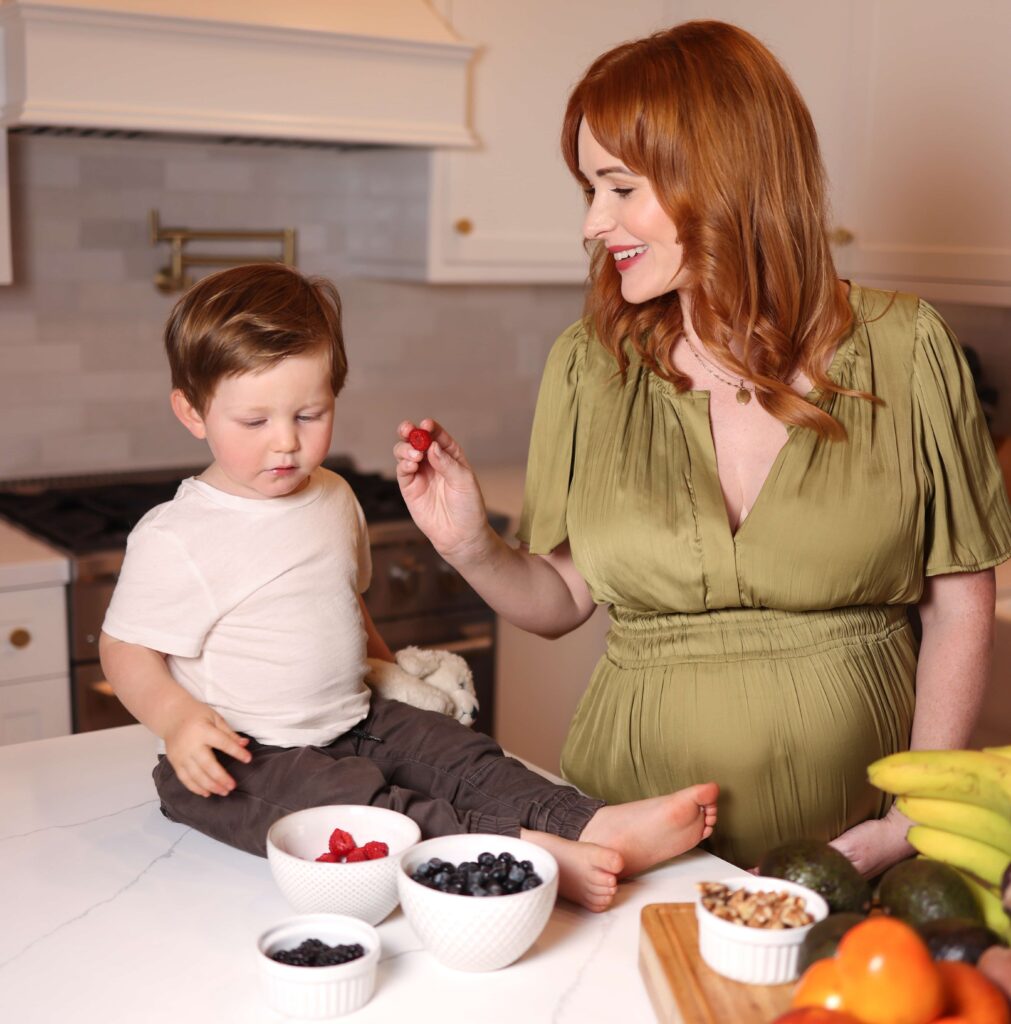
The foods you eat each day can directly influence egg quality, hormone balance, inflammation, and even early embryo development. If you want to give your body every advantage when trying to conceive, especially in your 40s, start with what goes on your plate. In this article, I share the top five fertility-supporting foods I encourage most of my clients to add to their grocery list (while keeping in mind that not every food is right for every person) and explain why they can make such a difference for your fertility and future pregnancy.
6 Foods That Support Fertility

A nutrient-rich diet is one of the most important ways to support fertility for both women and men. The right foods provide the vitamins, minerals, healthy fats, protein, and antioxidants needed to support hormone balance, egg and sperm health, and overall reproductive function. They also help prepare your body for pregnancy by supporting your nutritional needs before conception and into the first trimester.
Foods That May Harm Fertility

Certain foods can quietly work against your fertility, especially in your 40s, when inflammation, hormone balance, and nutrient absorption matter more than ever. The good news? Even small reductions in these foods may help support your fertility and overall reproductive health.
Fertility-Friendly Workouts

Our menstrual cycle doesn’t just influence energy, mood, and strength; it also plays an important role in fertility. Each phase brings hormonal shifts that affect egg development, ovulation, and overall reproductive health. By tuning your fitness routine to your cycle, you can support hormone balance, help prepare your body for conception, and even improve workout results. Understanding these patterns can help women over 40 nourish their hormones and create an environment that supports fertility.
Progesterone 101 for Women Over 40

Progesterone plays an important role in implantation and early pregnancy, but conventional testing often misses the mark, especially for women over 40. This guide explains why timing matters, why “normal” isn’t the same as optimal, and how root-cause factors like stress, thyroid function, gut health, and blood sugar may influence your progesterone levels. Understanding these pieces gives you the clarity you need to support natural conception.
Beyond Basic Lab Work

If you want to get pregnant in your 40s, knowledge is power. Foundational lab work gives you a clear, detailed picture of your hormones and overall health so you know where to focus your efforts in support of your fertility. Standard lab ranges aren’t designed for women trying to conceive, which is why it helps to interpret labs through a fertility lens. The right tests can provide valuable insight into factors that may be influencing your fertility, helping you make more informed decisions about your next steps.
What About His Fertility?

Male fertility plays a much bigger role in conception than most couples realize. Nearly half of infertility cases involve sperm factors, and because sperm regenerate on roughly a three-month cycle, this is a window in which supportive changes may make a meaningful difference. Oxidative stress, nutrient deficiencies, toxins, and heat exposure are among the most researched contributors to poor sperm health, and research suggests that addressing them may help support sperm count, motility, and morphology.
5 Supplements That Support Fertility
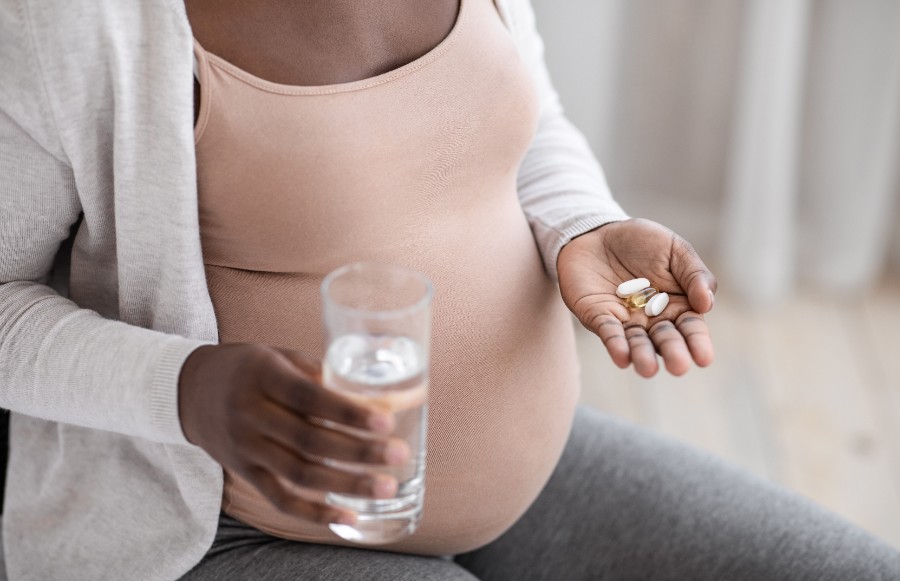
If you’re trying to conceive over 40, targeted nutritional support can be an important part of your preparation. These five research-backed supplements may help support egg health, cellular health, and overall reproductive health.