
When you’re trying to conceive, especially in your 40s, every nutrient matters. But few are as essential, research-backed, and consistently overlooked as omega-3 fats. These powerful fatty acids play a direct role in egg quality, hormone balance, ovarian function, sperm health, implantation, and even early embryonic development.
In fact, omega-3 status is one of the clearest nutritional markers linked to improved fertility outcomes in both partners. And during pregnancy, DHA becomes foundational for your baby’s brain, nervous system, and vision, while also helping protect you from inflammation and complications.
This is why getting the right kinds of omega-3s (and enough of them) is so important. Not all omega-3 sources are created equal, and quality matters just as much as quantity.
The Best Sources of Omega-3s
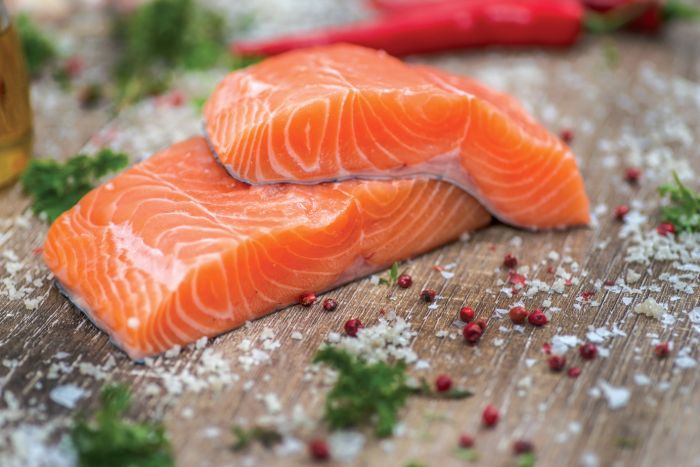
The richest sources of omega-3 fats are found in wild-caught seafood, particularly cold-water fatty fish such as salmon and sardines.
For optimal health and fertility, our omega-6 to omega-3 ratio should be between 1:1 and 4:1. Wild-caught salmon naturally falls within this range at 3:1, while farmed salmon sits at roughly 14:1, a dramatic difference that highlights why food quality plays such a critical role in fertility nutrition.
Why Omega-3s Matter for Fertility & Pregnancy
The forms of omega-3s found in fish, EPA and DHA, have been shown to:
- Improve egg quality and support ovarian reserve
- Support healthy ovulation
- Reduce inflammation that damages eggs and sperm
- Improve sperm count, motility, and morphology
- Support balanced hormones and healthy cycles
- Reduce the risk of early preterm birth (by over 40% with 600–800 mg DHA daily)
- Support your baby’s brain and nervous system development
Plant-Based Omega-3s: What You Need to Consider
Plant foods (flax, chia, hemp, walnuts) contain ALA, a form of omega-3 that must be converted into EPA and DHA. The conversion rate is extremely low (about 1–10%) making it difficult to meet fertility needs through ALA alone.
Thankfully for plant-based eaters, microalgae oil provides a vegan-friendly source of direct EPA and DHA, with benefits comparable to fish oil.
How to Meet Your Omega-3 Needs
Aim for:
- 2–3 servings of wild-caught cold-water fish weekly, or
- A high-quality fish oil or algae oil supplement daily
Omega-3 Rich Foods to Emphasize
– Wild-caught salmon
– Wild-caught herring
– Wild-caught sardines
– Anchovies
– Pasture-raised eggs
– Grass-fed meat
Want to Go Deeper Into the Nutrients That Transform Fertility After 40?
If you want to understand how to eat, supplement, and support your body for stronger fertility, based on evidence, not trends, my Fertile After 40 Masterclass breaks it all down step-by-step.
It’s the blueprint I created after conceiving naturally at 43 and 46, and it’s helped hundreds of women in their 40s improve their fertility to finally bring home their babies.
Click here to join the Masterclass and start building your most fertile foundation today.
References:
PMID: 9637947, 19664246, 29451828, 22978268, 20219103, 16841861, 17374644, 24261532, 22830315
As always, please consult your physician before beginning any new nutrition or supplement routine.