
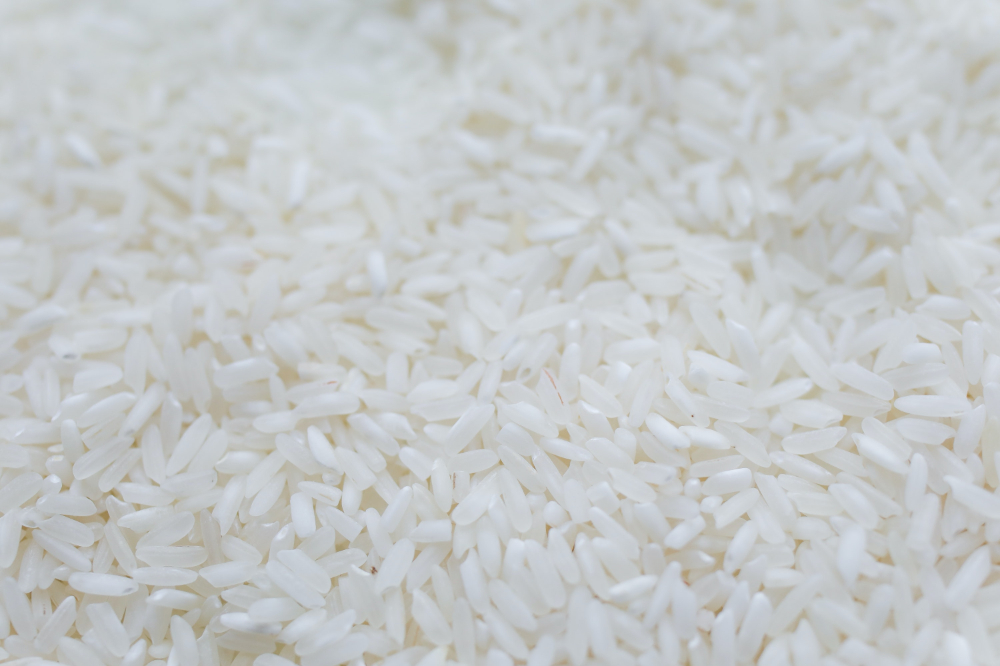
When it comes to grains, many people assume brown rice is the healthier option. After all, it’s “whole grain” and packed with fiber, right? Surprisingly, when it comes to fertility and overall health, white rice may actually be the better choice.
Brown rice contains about 3 grams of fiber per cooked cup and naturally contains compounds such as phytic acid and lectins, which may reduce the absorption of certain minerals, including iron and zinc. Brown rice also tends to contain more arsenic than white rice because arsenic accumulates in the outer layers of the grain. Since those outer layers are removed during processing, white rice generally contains significantly lower levels of arsenic and may be easier for some people to digest.
Although I’m generally cautious about grains because some people are sensitive to certain compounds they contain and they can be a source of mold contamination, white rice is one of the better options if you choose to include grains in your diet. That said, white rice does have a high glycemic index, meaning it is digested quickly and can raise blood sugar more rapidly than many other carbohydrate sources. That’s why portion size matters. I recommend sticking to a small serving, about ½ cup cooked, and pairing it with plenty of protein, healthy fats, and fiber-rich vegetables to help support healthy blood sugar balance and create a more balanced, fertility-supporting meal.
Fueling Fertility
Food choices play an important role in fertility, especially after 40. Fueling Fertility is your science-backed guide to eating to support reproductive health, with over 80 delicious recipes designed to support hormone balance, support egg and sperm quality, and nourish your body for conception.
Discover how simple, nutrient-rich meals can support your fertility, grab your copy of Fueling Fertility today.
References:
PMID: 26253210, 29285009, 29789516, 15690812, 29439433
The information provided is for educational purposes only and is not intended as medical advice. Please work with your physician or qualified healthcare provider before making changes to your healthcare plan, particularly if you are pregnant, undergoing fertility treatment, taking medication, or managing a medical condition. This information is not intended to diagnose, treat, cure, or prevent any disease or medical condition.