
Paper Receipts & Fertility

Just say no thank you to that paper receipt! As I’ve mentioned in previous posts, bisphenols, such as BPA and BPS, have been shown in numerous studies to be linked to disrupted hormones, infertility, birth defects, cancer, and attention disorders.
Red Light Therapy For Fertility

Red light therapy, also known as photobiomodulation (PBM) or low level light therapy (LLLT), uses specific wavelengths of red and near-infrared light to stimulate cellular processes in the body.
Red light therapy is one of the most interesting tools I’ve found for supporting fertility. Research suggests that specific wavelengths of red and near infrared light can support mitochondrial function, increase blood flow, and reduce oxidative stress, all of which are important for reproductive health. For women, this may help support egg quality and uterine health. For men, research suggests potential benefits for sperm count, motility, and overall sperm quality.
Is BPA-Free Plastic Safe?

“BPA free” doesn’t mean free from hormone-disrupting chemicals.
Bisphenol A (BPA) is used in the production of certain plastics and epoxy resins, including some food and beverage packaging. As concerns about BPA have grown, manufacturers have increasingly replaced it with other bisphenols, such as BPS and BPF. Research suggests that these alternatives can also interfere with the body’s hormone signaling.
And when you’re trying to conceive, reducing your exposure to endocrine-disrupting chemicals is an important part of supporting the hormonal environment needed for conception and a healthy pregnancy.
Quick & Easy Fertility-Boosting Lunch Recipe
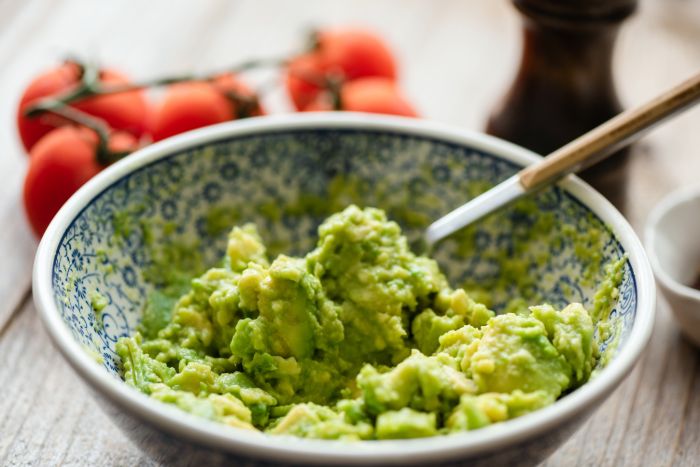
Need a quick lunch that packs in fertility-supportive nutrients? This avocado egg salad takes just 5 minutes to make and combines protein, healthy fats, choline, and other important nutrients for reproductive health.
It’s one of my go-to options when I want something simple, satisfying, and nutrient dense.
Top 5 Foods For Fertility

The foods you eat each day can directly influence egg quality, hormone balance, inflammation, and even early embryo development. If you want to give your body every advantage when trying to conceive, especially in your 40s, start with what goes on your plate. In this article, I share the top five fertility-supporting foods I encourage most of my clients to add to their grocery list (while keeping in mind that not every food is right for every person) and explain why they can make such a difference for your fertility and future pregnancy.
Why White Rice is Healthier Than Brown Rice
Did you know the type of rice you eat may play a role in your overall health and fertility? While brown rice is often marketed as the healthier choice, it typically contains more arsenic than white rice and also contains compounds such as phytic acid that can reduce the absorption of certain minerals. In this post, we’ll explore why white rice may be a better choice for some people and how to enjoy it as part of a balanced, nutrient-rich, fertility-supporting diet.
6 Foods That Support Fertility

A nutrient-rich diet is one of the most important ways to support fertility for both women and men. The right foods provide the vitamins, minerals, healthy fats, protein, and antioxidants needed to support hormone balance, egg and sperm health, and overall reproductive function. They also help prepare your body for pregnancy by supporting your nutritional needs before conception and into the first trimester.
The Essential Fats That Support Fertility
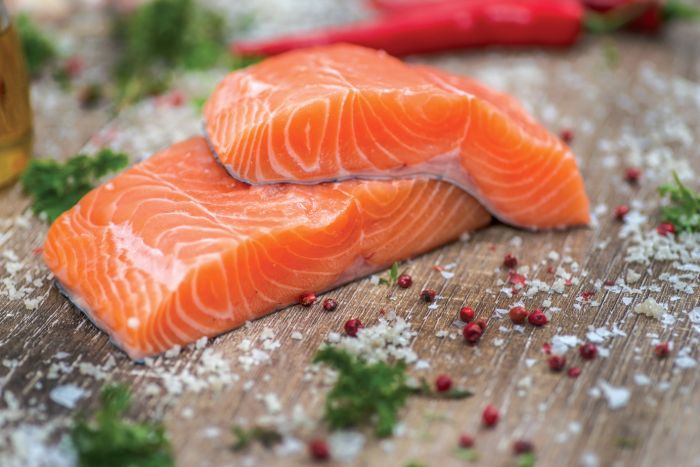
Getting enough omega-3s may play an important role in supporting fertility, especially in your 40s. These healthy fats may help support hormone function, a healthy inflammatory response, and egg and sperm health. They are also important for ovulation and early embryo development. In this article, we break down which omega-3s are most important for fertility, why some sources don’t work as well as you might think, and how to get the right amount to support fertility and a healthy pregnancy.
Foods That May Harm Fertility

Certain foods can quietly work against your fertility, especially in your 40s, when inflammation, hormone balance, and nutrient absorption matter more than ever. The good news? Even small reductions in these foods may help support your fertility and overall reproductive health.