
Candles & Fertility

When the weather is changing, candles can be a special way to create a cozy, warm ambience. Unfortunately, studies find that most scented candles can cause considerable indoor air pollution. The majority of these products have been found to produce significant levels of formaldehyde, a known ‘human carcinogen’ linked with cancers. Candles and air fresheners also contain toxic chemicals such as phthalates and paraffin.
Paper Receipts & Fertility

Just say no thank you to that paper receipt! As I’ve mentioned in previous posts, bisphenols, such as BPA and BPS, have been shown in numerous studies to be linked to disrupted hormones, infertility, birth defects, cancer, and attention disorders.
Red Light Therapy For Fertility

Have you tried red light therapy? Red light therapy (also known as light therapy, photobiomodulation, and LLLT) uses low levels of red and near infrared light to treat a variety of conditions.
Is BPA-Free Plastic Safe?
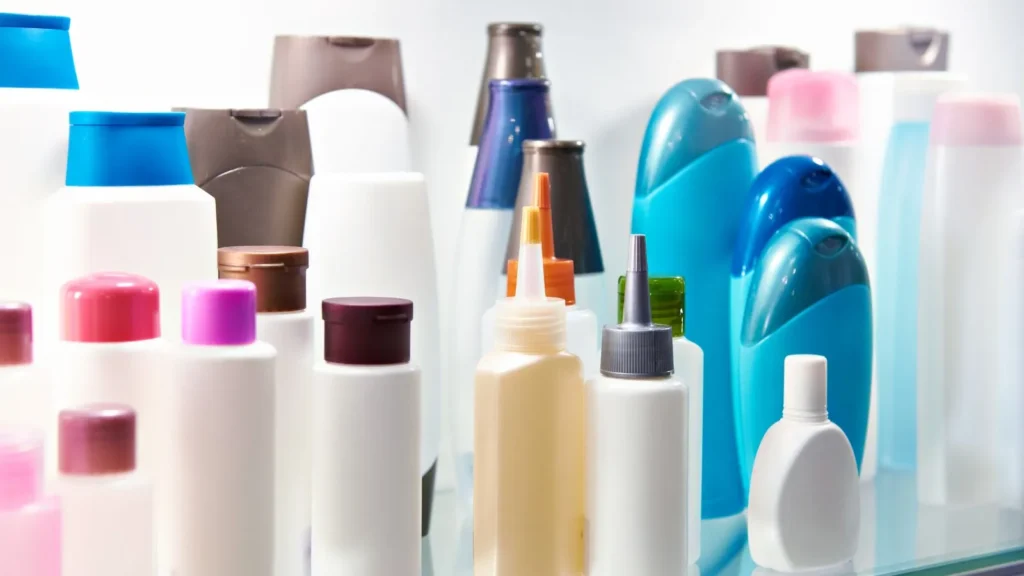
Bisphenols are chemicals used to manufacture plastics and epoxy resins used in canned goods. Many plastic and canned products marketed as BPA-free actually contain similar replacement chemicals that studies show are just as harmful as BPA. Bisphenols contained in these plastic and canned containers seep into food where they can act as a powerful endocrine disruptor, meaning they interfere with the normal function of the body’s natural hormones.
Quick & Easy Fertility-Boosting Lunch Recipe
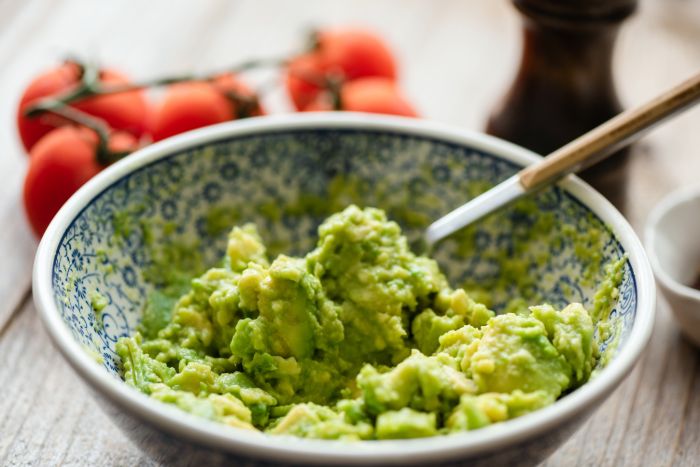
This is my go-to lunch recipe when I need something quick and easy that’s packed with fertility-boosting nutrients.
The Essential Fats That Support Fertility

Getting enough omega-3s may play an important role in supporting fertility, especially in your 40s. These healthy fats may help support hormone function, a healthy inflammatory response, and egg and sperm health. They are also important for ovulation and early embryo development. In this article, we break down which omega-3s are most important for fertility, why some sources don’t work as well as you might think, and how to get the right amount to support fertility and a healthy pregnancy.
EMFs & Fertility

EMFs are everywhere, in our phones, WiFi routers, smart devices, and even the appliances we use daily. But what most people don’t realize is how electromagnetic fields may influence reproductive health. Some research has reported associations between EMF exposure and lower sperm counts, hormonal changes, miscarriage risk, and changes in brain and heart function, although the evidence continues to evolve. In this article, we’ll break down the science, what it actually means for your fertility, and the practical steps you can take today to reduce your exposure.
Can PRP Make You Fertile?

Ovarian PRP is an innovative treatment being studied for its potential to support ovarian and uterine health in women over 40 facing fertility challenges. Early research suggests it may help support egg quality, cycle regularity, and IVF outcomes in some cases. While promising, PRP is best viewed as one part of a broader fertility strategy that includes hormone health, nutrition, and supportive lifestyle practices.
Luteal Phase Length

Your luteal phase plays a crucial role in your ability to conceive and maintain a healthy pregnancy, yet many women don’t know how long theirs is or what a short luteal phase might mean. In this post, you’ll learn what the luteal phase is, why it matters, how to recognize a potential luteal phase deficiency, and which research-backed nutrients and strategies can help support healthy progesterone levels naturally.