
Candles & Fertility

When the weather is changing, candles can be a special way to create a cozy, warm ambience. Unfortunately, studies find that most scented candles can cause considerable indoor air pollution. The majority of these products have been found to produce significant levels of formaldehyde, a known ‘human carcinogen’ linked with cancers. Candles and air fresheners also contain toxic chemicals such as phthalates and paraffin.
Paper Receipts & Fertility

Just say no thank you to that paper receipt! As I’ve mentioned in previous posts, bisphenols, such as BPA and BPS, have been shown in numerous studies to be linked to disrupted hormones, infertility, birth defects, cancer, and attention disorders.
Red Light Therapy For Fertility

Have you tried red light therapy? Red light therapy (also known as light therapy, photobiomodulation, and LLLT) uses low levels of red and near infrared light to treat a variety of conditions.
Is BPA-Free Plastic Safe?
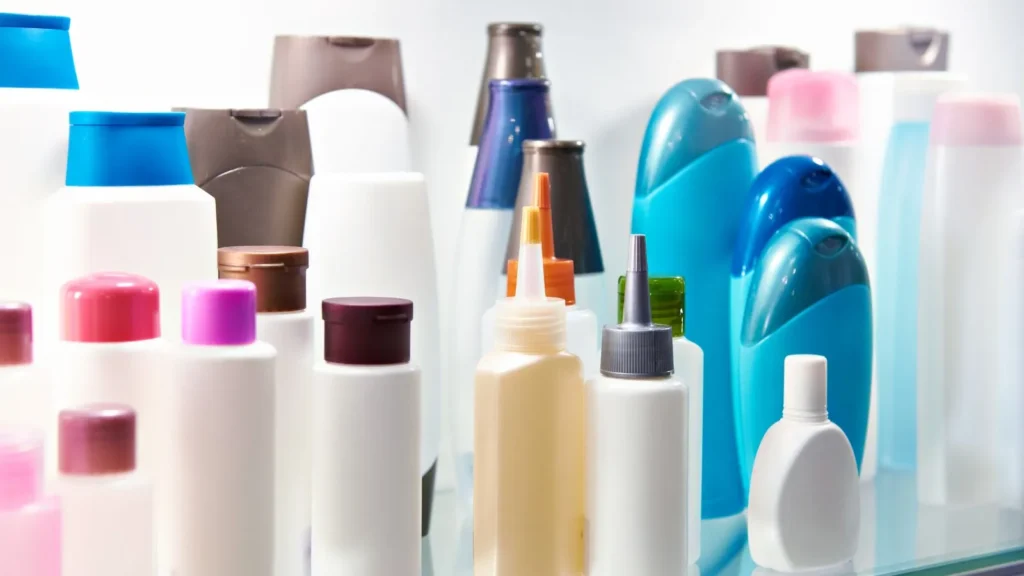
Bisphenols are chemicals used to manufacture plastics and epoxy resins used in canned goods. Many plastic and canned products marketed as BPA-free actually contain similar replacement chemicals that studies show are just as harmful as BPA. Bisphenols contained in these plastic and canned containers seep into food where they can act as a powerful endocrine disruptor, meaning they interfere with the normal function of the body’s natural hormones.
Quick & Easy Fertility-Boosting Lunch Recipe
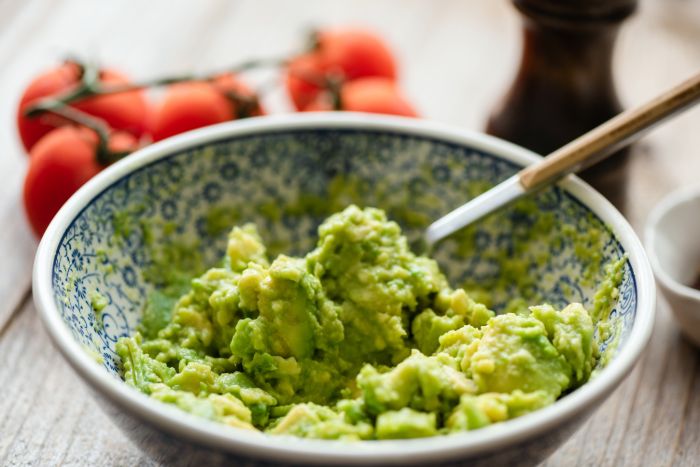
This is my go-to lunch recipe when I need something quick and easy that’s packed with fertility-boosting nutrients.
The Essential Fats That Transform Fertility
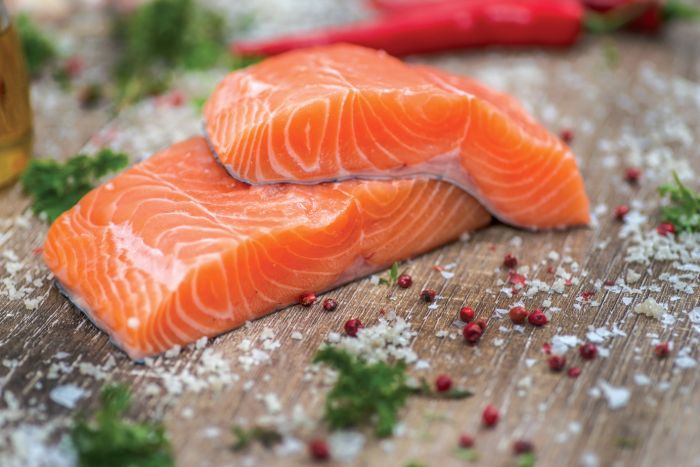
Getting enough omega-3s can make a measurable difference in your fertility, especially in your 40s. These powerful fats support hormone balance, reduce inflammation that damages eggs and sperm, and play a critical role in ovulation and early embryo development. In this article, we break down which omega-3s actually boost fertility, why some sources don’t work as well as you think, and how to get the right amount to support a healthy pregnancy.
5 Ways to Optimize Egg Quality Naturally
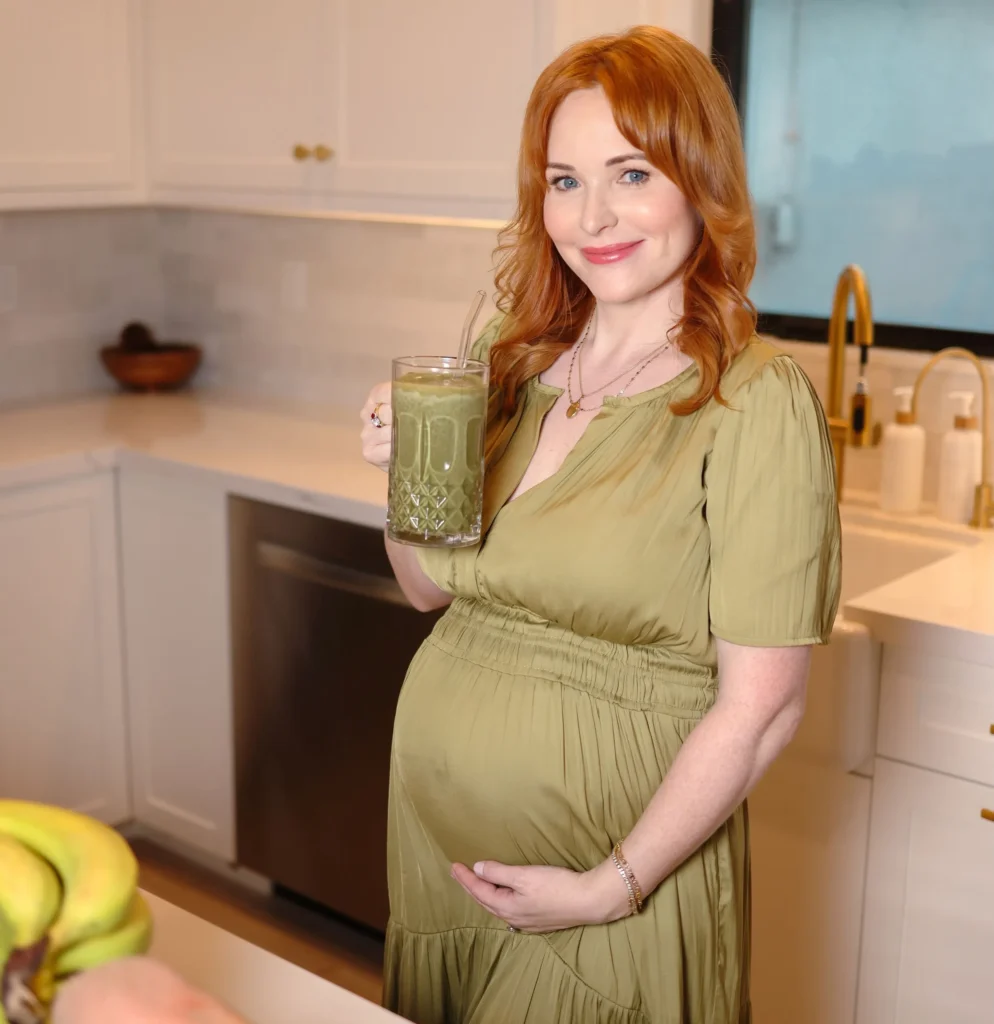
Your egg quality isn’t fixed. It changes based on the environment you create in the 12 weeks before ovulation. That means the choices you make today can directly influence the health of the egg you’ll ovulate three months from now. In this article, you’ll learn five evidence-backed strategies to naturally support egg development, reduce inflammation, and create a healthier foundation for conception.
Your Gut Microbiome & Fertility

Your gut health plays a crucial role in fertility. The microbiome affects hormone balance, nutrient absorption, inflammation, and even miscarriage risk. In my practice, 75% of clients test positive for some form of dysbiosis (often without any obvious symptoms!) which must be addressed before successful conception is possible. Supporting and restoring gut health can be the missing piece that helps make conception possible.
Why Vaginal Microbiome Matters For Fertility

A healthy vaginal microbiome is one of the most overlooked, yet powerful factors in fertility. This delicate ecosystem, dominated by protective Lactobacillus bacteria, helps maintain an optimal pH, prevents harmful pathogens from taking over, and creates the conditions sperm need to survive and reach the egg. But when this balance shifts, even slightly, it can quietly derail conception efforts. Disruptions in vaginal pH or bacterial balance have been linked to reduced sperm motility, failed embryo implantation, and even higher miscarriage rates. Understanding and supporting your vaginal microbiome is an essential (and often missing) step for anyone trying to conceive, especially after 40.